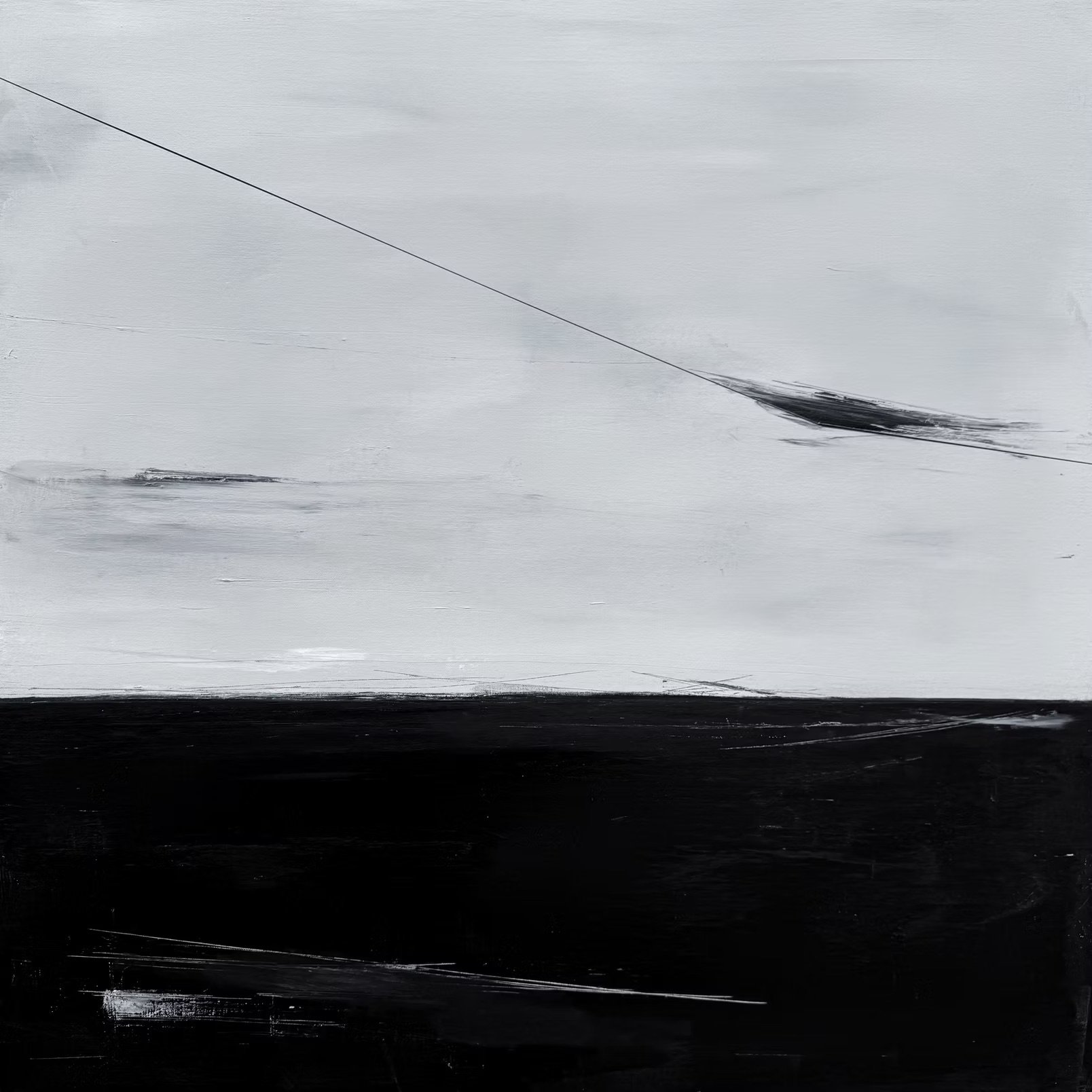
LS No. 258

$3,000.00

Brandon McKenzie
LS No. 258, 2025
Acrylic and graphite on canvas
30 × 30 in
Contemporary abstract painting

The Artwork

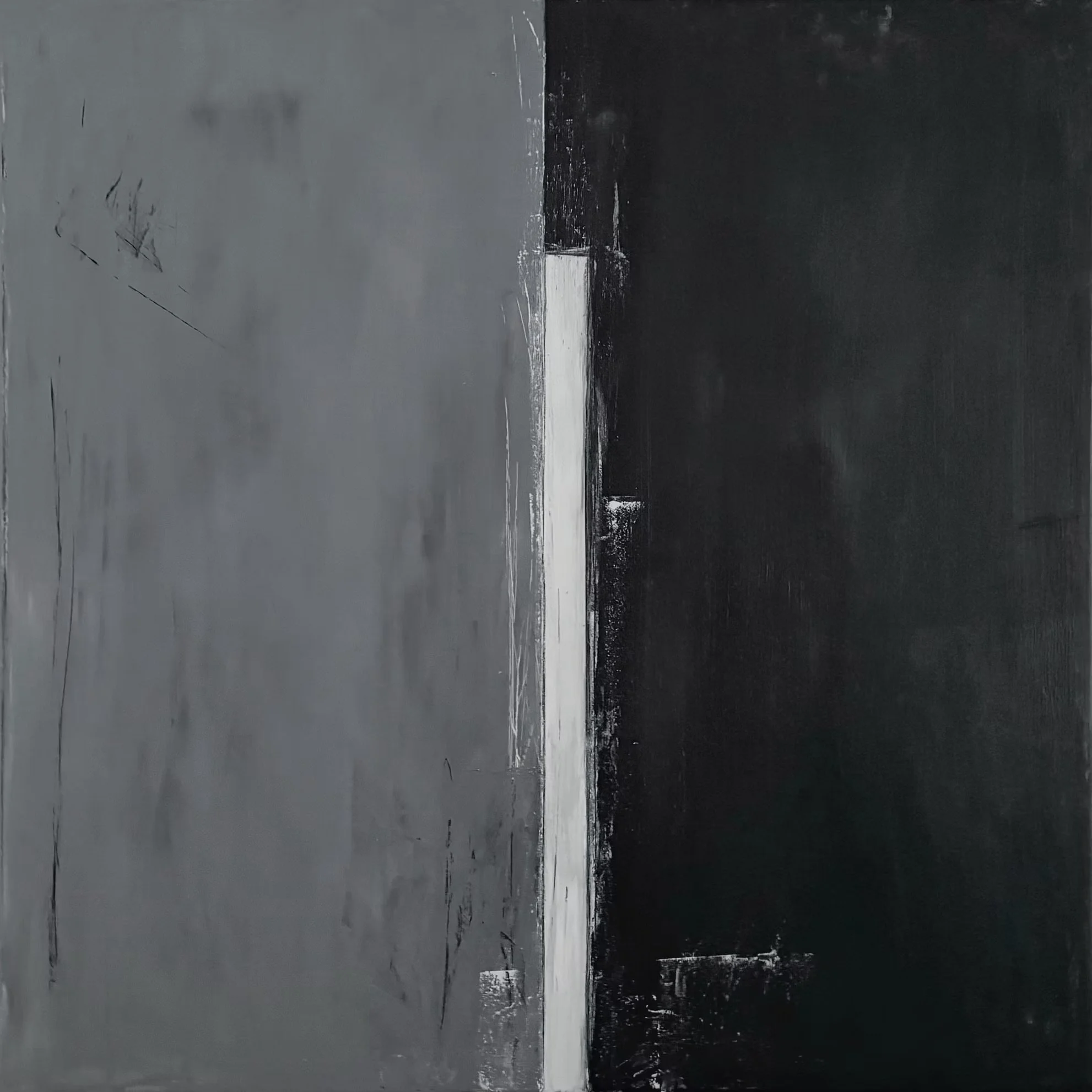
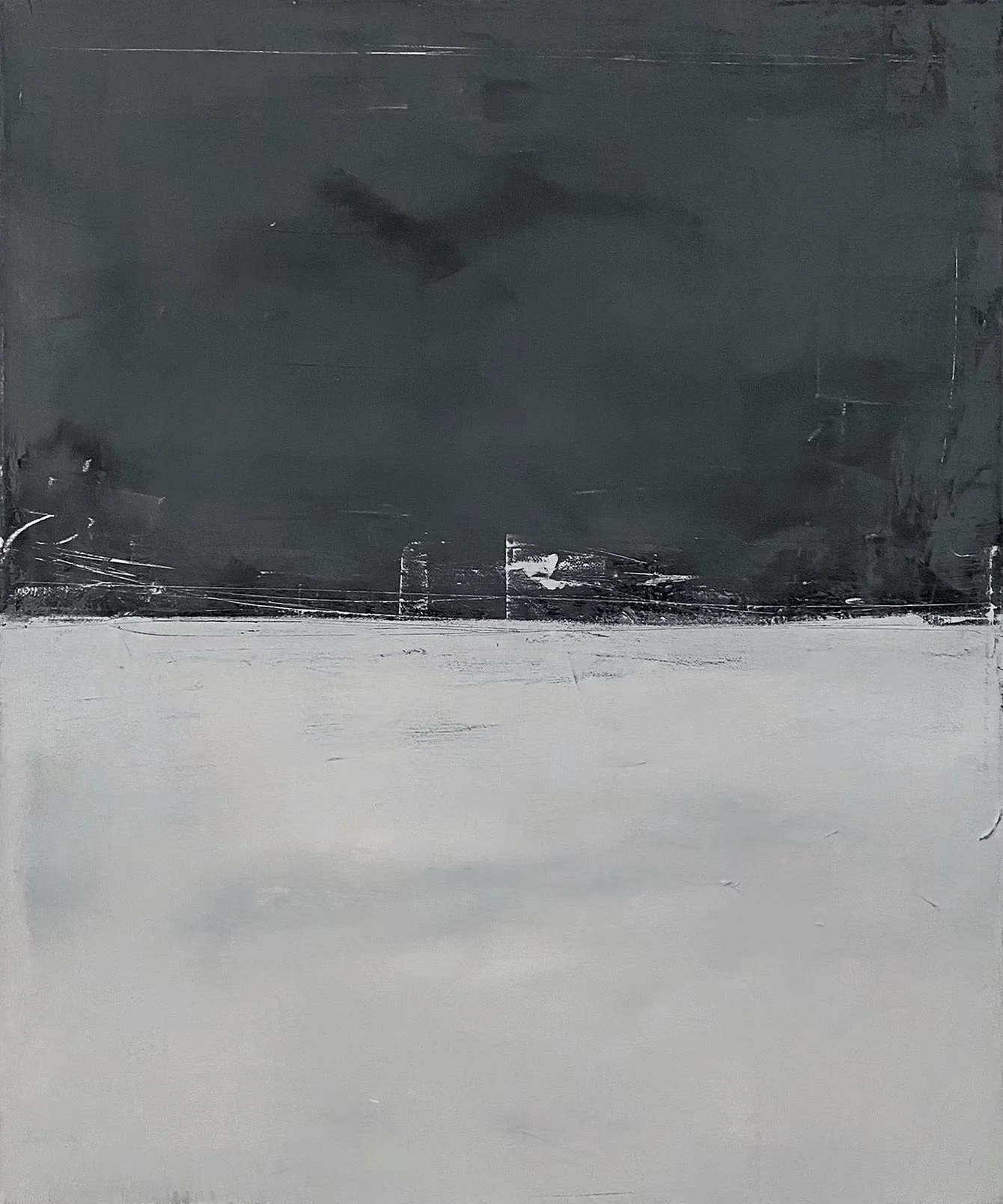
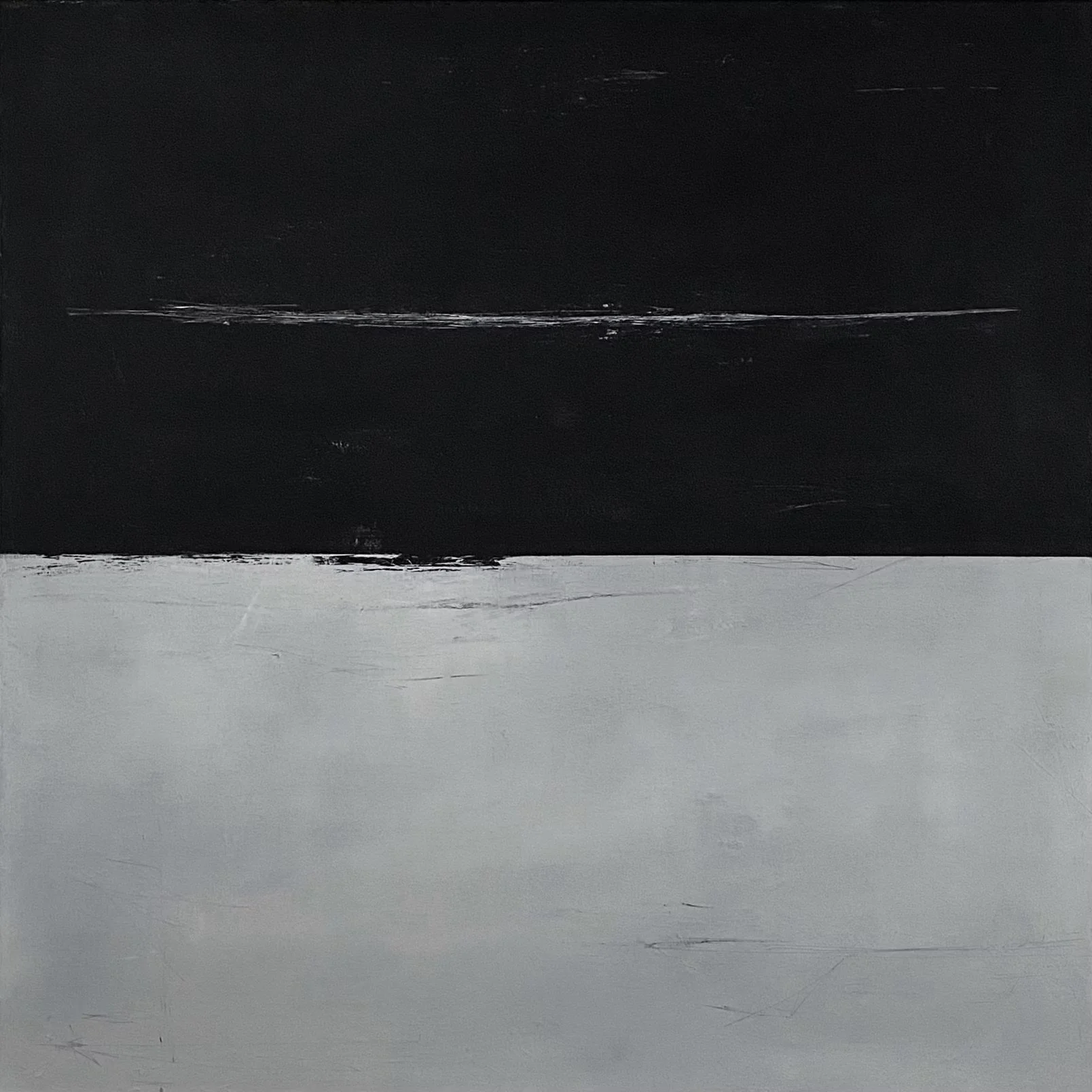
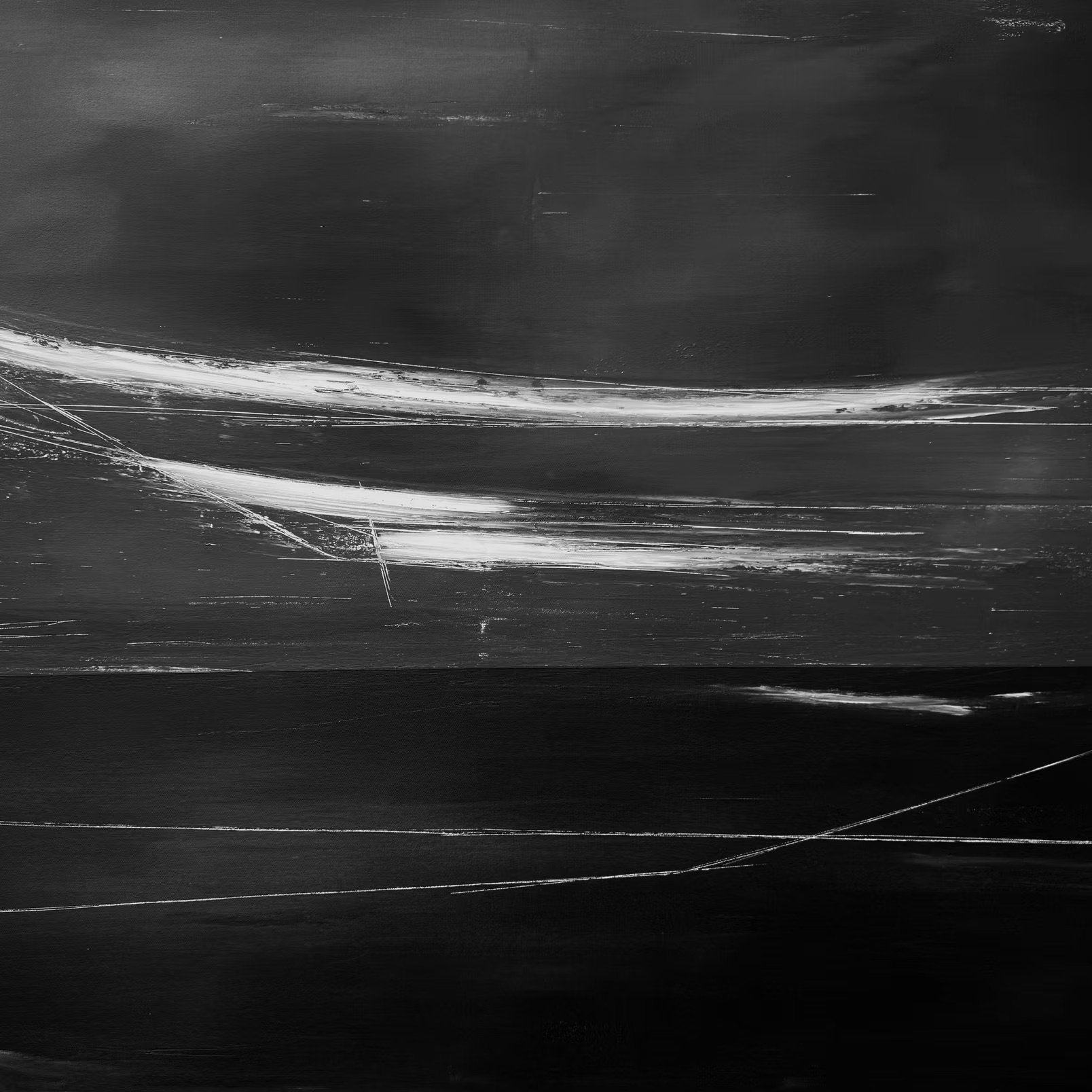
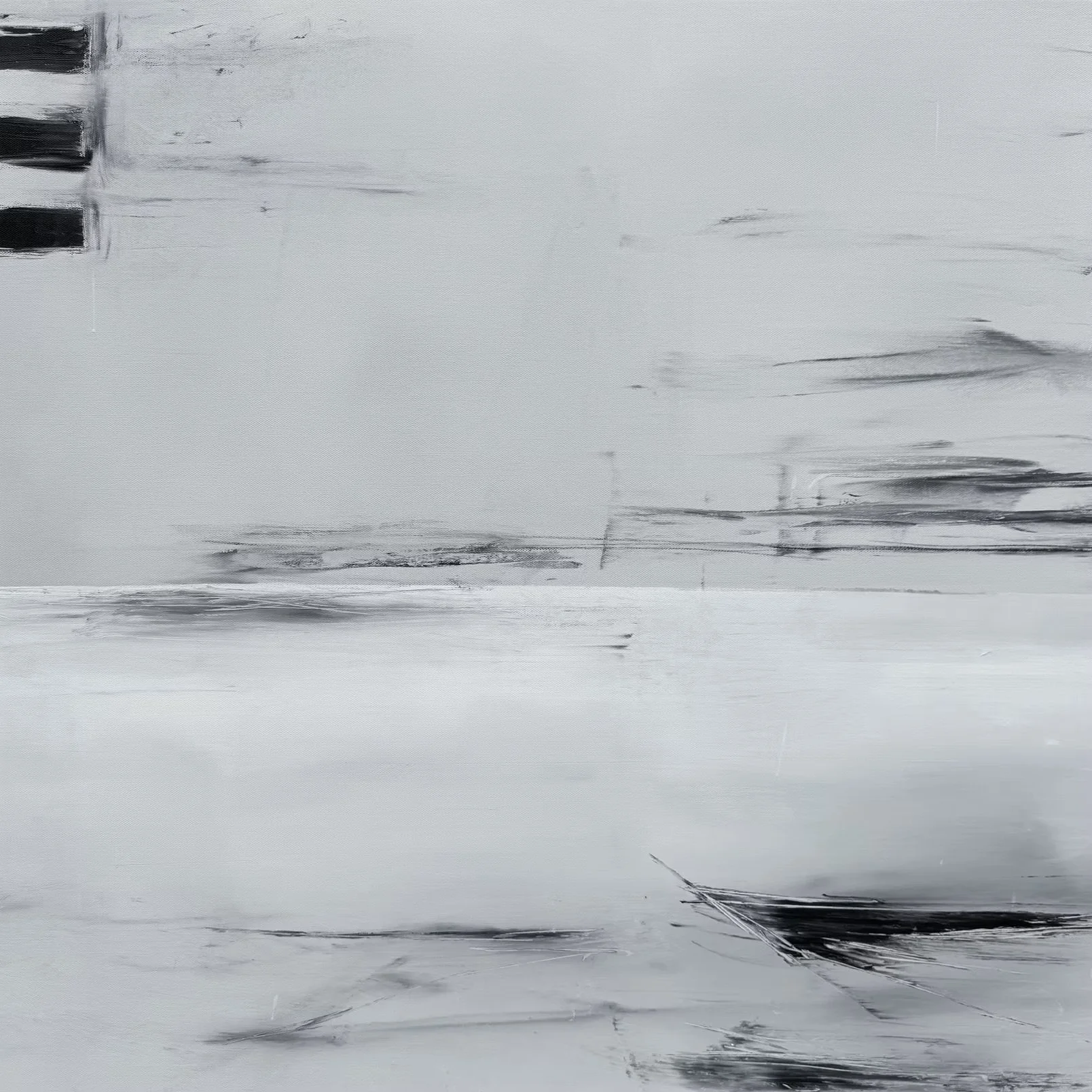
In LS No. 258, a light-grey field becomes a spacious ground for a small sequence of dark forms and marks. Three short stacked bars appear in the upper-left corner, establishing a concise rhythm that is echoed by darker graphite activity closer to the lower edge. The composition is quiet and open, yet every intervention feels intentional.

The stacked bars introduce a modest structural language—part notation, part architectural fragment, part visual beat. Their placement against the largely unoccupied field creates a sense of scale and distance, while the darker markings below prevent the work from settling into complete stillness. McKenzie’s use of graphite adds another register of subtlety, with blue-toned traces moving just beneath or across the grey surface.

This painting demonstrates how McKenzie builds complexity through restraint. The composition does not seek to fill the canvas; it allows emptiness to become an active element. LS No. 258 invites a slower encounter, where the relationship between the small marks, expansive field, and layered surface gradually comes into focus.

Specifications & Details

  • Artist: Brandon McKenzie

  • Title: LS No. 258

  • Year: 2025

  • Medium: Acrylic and graphite on canvas

  • Dimensions: 30 × 30 in

  • Style: Contemporary abstract painting

  • Frame: Handmade by the artist; included

Brandon McKenzie
LS No. 258, 2025
Acrylic and graphite on canvas
30 × 30 in
Contemporary abstract painting

The Artwork

In LS No. 258, a light-grey field becomes a spacious ground for a small sequence of dark forms and marks. Three short stacked bars appear in the upper-left corner, establishing a concise rhythm that is echoed by darker graphite activity closer to the lower edge. The composition is quiet and open, yet every intervention feels intentional.

The stacked bars introduce a modest structural language—part notation, part architectural fragment, part visual beat. Their placement against the largely unoccupied field creates a sense of scale and distance, while the darker markings below prevent the work from settling into complete stillness. McKenzie’s use of graphite adds another register of subtlety, with blue-toned traces moving just beneath or across the grey surface.

This painting demonstrates how McKenzie builds complexity through restraint. The composition does not seek to fill the canvas; it allows emptiness to become an active element. LS No. 258 invites a slower encounter, where the relationship between the small marks, expansive field, and layered surface gradually comes into focus.

Specifications & Details

  • Artist: Brandon McKenzie

  • Title: LS No. 258

  • Year: 2025

  • Medium: Acrylic and graphite on canvas

  • Dimensions: 30 × 30 in

  • Style: Contemporary abstract painting

  • Frame: Handmade by the artist; included

Biography

Brandon McKenzie is a contemporary abstract painter who creates paintings that investigate rhythm, process, and restraint through pared-down compositions and a largely grayscale palette accented by graphite. Each work develops over time through repeated reworking, with every layer responding to the traces beneath it and reinforcing his belief that process is primary and product is secondary. Rooted in early studies of the geometric farmlands of western Kansas, McKenzie’s current series distills those landscapes into more open, spatial arrangements while preserving the tension between structure, gesture, addition, and erasure. By limiting color and emphasizing light, space, and layered surfaces, his paintings create a quiet balance between disorder and arrangement.


“My paintings evolve through a rhythm of layering and reduction, with each mark shaped by what came before it. The process leads the work forward through repetition, movement, and reaction, while my current series translates the geometry of the rural landscapes into something quieter and more open. I’m interested in how light, space, and essential form emerge from what remains.”

– Brandon McKenzie